February 25, 2025
AI for Data Analytics for Australian Enterprises: Strategy and Implementation
AI for data analytics is rapidly reshaping how Australian enterprises make decisions, compete, and scale in an increasingly data-driven economy. As organisations face growing data volumes, rising customer expectations, and pressure to deliver faster, smarter outcomes, traditional analytics approaches are no longer enough.
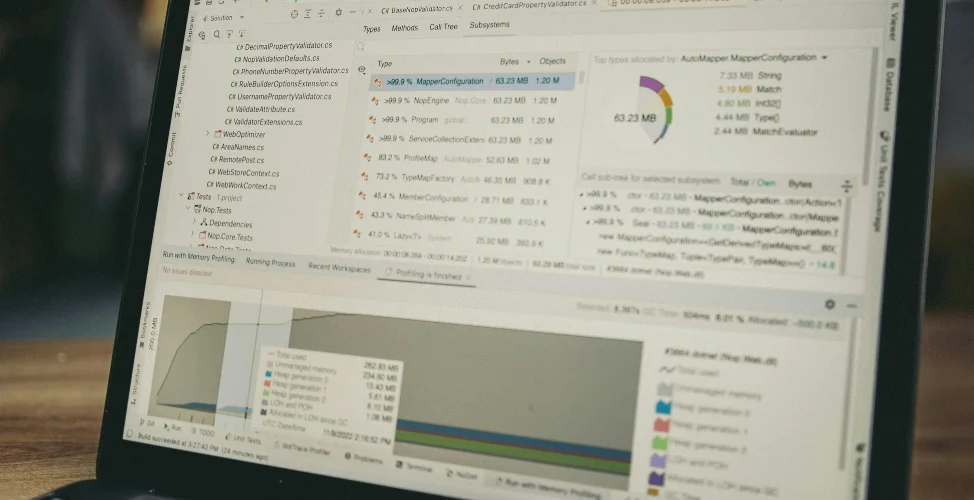
Enterprises across Australia are turning to AI-driven analytics to unlock real-time insights, predictive intelligence, and automation at scale. This article explores what AI for data analytics means, key enterprise use cases, business benefits, implementation considerations, common challenges, and how SmartOSC helps organisations turn AI-powered analytics into measurable business value.
Highlights
- AI for data analytics enables faster insights, predictive intelligence, and analytics automation at enterprise scale.
- Australian enterprises use AI-driven analytics to improve decision-making, efficiency, and competitiveness.
- Successful implementation depends on the right strategy, strong data foundations, and enterprise-grade governance.
Understanding AI for Data Analytics
What Is AI for Data Analytics?
AI for data analytics refers to the use of artificial intelligence technologies to automate, enhance, and scale the process of analysing data. Unlike traditional business intelligence, which focuses on descriptive reporting and historical insights, AI-driven analytics enables predictive, prescriptive, and real-time decision-making.
Traditional BI tools typically rely on predefined dashboards and manual analysis, which limits flexibility and slows decision-making as data volumes increase. In contrast, AI-powered analytics can automatically identify patterns, generate insights, and surface recommendations with minimal human intervention, enabling enterprises to move from hindsight to foresight.
The productivity impact of advanced, data-driven analytics is well established. According to the OECD, data-driven organisations demonstrate significantly higher productivity and decision-making effectiveness, with analytics-enabled firms consistently outperforming peers that rely on traditional reporting approaches. This reinforces how AI-powered analytics supports faster insight generation and more proactive enterprise decision-making compared to conventional BI tools.
Role of AI Technologies in Analytics
AI for data analytics brings together multiple advanced technologies to fundamentally transform how enterprises collect, analyse, and act on data. Rather than relying on static reports and manual interpretation, AI-powered analytics enables continuous learning, automation, and deeper insight generation across complex datasets. This shift allows organisations to move beyond descriptive analysis toward predictive and prescriptive decision-making.
At the core of AI-driven analytics are several key technologies working together:
- Machine learning models analyse historical and real-time data to predict trends and outcomes.
- Generative AI supports natural language querying, automated reporting, and insight explanation.
- Automation accelerates data preparation, cleansing, and feature engineering.
Together, these capabilities improve how data is collected, processed, analysed, and presented to decision-makers. AI-powered analytics delivers faster insight generation, greater scalability, and more consistent decision support, helping enterprises align data-driven intelligence with business strategy and measurable outcomes.
How AI Enhances the Analytics Lifecycle
AI enhances every stage of the analytics lifecycle by introducing automation, intelligence, and scalability across data workflows. Instead of relying on manual processes and static reporting, enterprises can use AI-powered analytics to generate faster, more accurate, and more actionable insights for both technical and non-technical users.
Across the analytics lifecycle, AI delivers value in several key areas:
- Data preparation and integration: AI automates data cleansing, enrichment, and integration across multiple sources, reducing manual effort and improving data quality from the outset.
- Advanced analysis and modelling: Machine learning models analyse large and complex datasets to identify patterns, correlations, and trends that traditional analytics may miss.
- Visualisation and insight discovery: AI-enhanced visualisations automatically surface key insights, anomalies, and performance drivers, helping users focus on what matters most.
- Natural language interaction: Generative AI enables users to explore data using conversational queries, making analytics more accessible to business teams without technical expertise.
- Insight explanation and actionability: AI can explain why trends occur and suggest next actions, bridging the gap between analysis and decision-making.
By embedding intelligence throughout the analytics lifecycle, enterprises can reduce manual workloads, improve analytical accuracy, and accelerate insight delivery. Industry perspectives from providers such as Oracle, Luzmo, and DataCamp consistently emphasise AI’s role in making analytics more accessible, scalable, and actionable across modern enterprise environments.
Watch more: 10 Best AI Companies in Australia Driving Innovation Across Industries
Enterprise Use Cases of AI for Data Analytics in Australia
Australian enterprises apply AI for data analytics across a wide range of business functions to drive measurable outcomes.
- Predictive Analytics and Forecasting: AI-driven predictive analytics supports demand forecasting, capacity planning, and scenario modelling. Enterprises use these insights to improve business planning, manage risk, and respond more effectively to market changes.
- Customer Behaviour Analysis and Personalisation: By analysing large volumes of customer data, AI helps organisations understand behaviour patterns, predict churn, and personalise engagement. This enables more targeted marketing, improved customer experience, and higher lifetime value.
- Operational Analytics and Process Optimisation: AI-powered analytics identifies inefficiencies across operations, supply chains, and service delivery. Enterprises can optimise workflows, reduce costs, and improve productivity through data-driven process improvements.
- Financial Analytics, Risk, and Fraud Detection: In finance and regulated industries, AI analytics improves risk modelling, anomaly detection, and fraud prevention. Advanced models analyse transactions and behaviours in real time to detect potential issues earlier and more accurately.
- Generative AI for Data Exploration and Reporting: Generative AI enables conversational analytics, automated reporting, and insight summarisation. Business users can ask questions in natural language and receive clear explanations, reducing reliance on specialist analytics teams.
Business Benefits of AI-Driven Data Analytics
AI-driven data analytics delivers significant value for Australian enterprises by transforming how insights are generated, interpreted, and applied across the organisation. By embedding intelligence into analytics workflows, businesses can move faster, operate more efficiently, and align data-driven insights more closely with strategic objectives. As adoption accelerates, artificial intelligence companies Australia are playing a critical role in helping organisations implement advanced analytics capabilities that turn complex data into practical, decision-ready intelligence at scale.
Key business benefits include:
- Faster and more accurate decision-making: AI models process large and complex datasets in near real time, enabling leaders to respond quickly to emerging opportunities, market shifts, and operational risks.
- Reduced manual analysis and reporting effort: Automation eliminates repetitive data preparation and reporting tasks, allowing analytics and business teams to focus on higher-value activities such as strategic planning and innovation.
- Improved scalability and performance: AI-powered analytics platforms handle growing data volumes and complexity without proportional increases in cost or resources, supporting enterprise-wide analytics adoption.
- Deeper insight discovery: Advanced models uncover hidden patterns, correlations, and trends that traditional analytics tools may overlook, enabling more informed and proactive decision-making.
- Stronger alignment between data and strategy: AI-driven insights connect data directly to business outcomes, helping enterprises measure performance, optimise initiatives, and drive continuous improvement.
Together, these benefits enable Australian enterprises to turn data into a strategic asset, supporting smarter decisions, operational excellence, and sustained competitive advantage in an increasingly data-driven economy.
Strategy and Implementation Considerations
A successful AI for data analytics initiative begins with a clear, business-driven strategy rather than isolated technology experimentation. For Australian enterprises, AI analytics must be aligned with organisational goals, regulatory requirements, and long-term scalability to deliver sustainable value. Establishing the right foundations early helps reduce risk and ensures AI investments translate into measurable business outcomes.
- Assess Enterprise Readiness and Data Maturity: Organisations should evaluate data availability, quality, and governance maturity before deploying AI analytics. Poor data foundations limit the effectiveness of even the most advanced AI models.
- Strengthen Data Quality and Governance: Reliable AI analytics depends on high-quality, well-integrated data. Enterprises must establish strong data governance frameworks to ensure consistency, accuracy, and accountability across data sources.
- Choose the Right Platforms and Tools: Selecting AI analytics platforms requires balancing functionality, scalability, integration capabilities, and long-term flexibility. Cloud-native, API-driven platforms are often best suited for enterprise environments.
- Balance Automation with Human Oversight: While AI automates analysis, human oversight remains critical. Enterprises should ensure that insights are explainable, decisions are accountable, and AI outputs are aligned with business context.
- Address Security, Privacy, and Compliance: Australian enterprises must embed security and privacy controls into AI analytics initiatives from the outset. Compliance with data protection and industry regulations is essential, particularly when handling sensitive or regulated data.
By taking a structured, strategy-led approach to implementation, enterprises can reduce complexity, manage risk, and scale AI-driven analytics with confidence. A strong focus on governance, security, and alignment with business objectives ensures AI for data analytics delivers long-term value rather than short-term experimentation.
Common Challenges in AI for Data Analytics Adoption
While AI for data analytics offers significant potential, many enterprises face practical challenges when moving from pilot projects to large-scale adoption. Addressing these challenges early is essential to ensure AI analytics initiatives deliver sustainable value rather than isolated experimentation. Partnering with an experienced AI automation agency can help organizations overcome integration, scalability, and governance hurdles while accelerating the transition from proof of concept to enterprise-wide impact.
Common challenges include:
- Data silos and legacy system integration: Enterprise data is often fragmented across legacy systems and disconnected platforms, limiting visibility and slowing the deployment of AI-driven analytics. Integrating these systems can be complex and resource-intensive.
- Skill gaps and change management: AI analytics requires new skills across data engineering, model development, and insight interpretation. Organisations must also manage cultural change as teams adapt to AI-assisted decision-making.
- Model transparency and explainability: In regulated industries, understanding how AI models generate insights is critical. Enterprises must address concerns around bias, fairness, and explainability to maintain trust and regulatory compliance.
- Cost management and ROI justification: AI analytics initiatives can involve significant upfront investment in platforms, infrastructure, and talent. Demonstrating clear return on investment, especially in early stages, is often challenging.
- Scaling across the enterprise: Expanding AI analytics beyond individual teams requires strong governance, standardised processes, and operating models that ensure consistency, security, and alignment with business objectives.
Successfully overcoming these challenges requires a structured approach that combines technical capability with governance, change management, and long-term strategic planning.
See more: How Australian Enterprises Use Big Data Analytics for Growth
Why SmartOSC for AI for Data Analytics
SmartOSC helps Australian enterprises unlock the full value of AI and Data Analytics through strategy-led, enterprise-grade solutions designed for scale, security, and measurable business impact. Rather than treating AI analytics as a standalone technology initiative, SmartOSC aligns data, AI, and analytics programs with broader business and transformation objectives.
SmartOSC’s strengths in AI-driven data analytics include:
- Proven AI and data analytics expertise: Extensive experience delivering AI and data analytics solutions across industries, supporting organisations at different stages of data and AI maturity.
- End-to-end analytics delivery: Comprehensive support covering strategy, data architecture, model development, platform implementation, and ongoing optimisation.
- Strong cloud and data engineering foundation: Expertise across cloud platforms, data engineering, and analytics architecture enables scalable, high-performance analytics environments.
- Enterprise-grade security and governance: AI analytics initiatives are designed with security, governance, and compliance embedded from the outset, ensuring alignment with enterprise risk and regulatory requirements.
- Scalable and responsible AI adoption: Solutions are built to scale across teams and departments while maintaining transparency, reliability, and operational control.
By combining deep AI and Data Analytics expertise with strengths in cloud and enterprise integration, SmartOSC positions itself as a trusted partner for organisations seeking to scale AI-powered insights responsibly and effectively. SmartOSC helps enterprises turn advanced analytics into actionable intelligence that drives sustained growth and competitive advantage.
FAQs: AI for Data Analytics in Australia
1. What is AI for data analytics?
AI for data analytics refers to the application of artificial intelligence technologies such as machine learning, automation, and generative AI to analyse enterprise data more efficiently and intelligently. It enables organisations to move beyond basic reporting by delivering predictive insights, real-time analysis, and scalable analytics capabilities across large and complex datasets. For Australian enterprises, AI-driven analytics supports faster, more informed decision-making in an increasingly data-intensive and competitive environment.
2. How does AI improve enterprise analytics compared to traditional BI?
AI improves enterprise analytics by extending traditional business intelligence beyond historical, descriptive reporting. While traditional BI focuses on dashboards and manual analysis, AI-driven analytics delivers predictive and prescriptive insights that help organisations anticipate trends and recommend actions. By reducing manual effort and automating analysis, AI enables faster, more proactive decision-making across the business.
3. What data is needed to implement AI for data analytics?
Implementing AI for data analytics requires access to high-quality, well-governed data from core enterprise systems. This typically includes customer data, operational data, financial systems, and, where relevant, external data sources. The quality, consistency, and integration of this data are critical, as AI models rely on accurate and representative datasets to generate reliable insights, which is why working with an experienced AI consulting company is often essential for ensuring proper data management and successful implementation.
4. Is AI-driven analytics secure and compliant?
AI-driven analytics can be secure and compliant when implemented with the right security controls, governance frameworks, and risk management practices. Australian enterprises must ensure that data privacy, access control, and regulatory requirements are embedded throughout the AI analytics lifecycle, from design and development through to deployment and ongoing operation.
5. How can SmartOSC help enterprises implement AI for data analytics?
SmartOSC supports enterprises throughout the entire AI and data analytics journey, from strategy and architecture to data engineering, AI model implementation, and ongoing optimisation. By combining deep expertise in AI and Data Analytics with strong governance and security practices, SmartOSC helps organisations deliver AI-driven analytics initiatives that generate measurable business value while aligning with enterprise and regulatory requirements.
Conclusion
AI for data analytics is becoming a critical capability for Australian enterprises seeking faster insights, smarter decisions, and sustained competitiveness. However, success depends on strategy-driven implementation, strong data foundations, and enterprise-grade governance.
By partnering with SmartOSC, organisations can accelerate AI-powered analytics adoption with confidence, scalability, and security. Contact us to unlock the full value of AI-driven data analytics for your enterprise.
Related blogs
Learn something new today