June 23, 2026
Digital Banking vs Traditional Banking: Key Differences Explained
The debate around digital banking vs traditional banking is becoming increasingly important as technology reshapes how people manage, move, and grow their money. Traditional banks continue to offer familiarity, stability, and face-to-face service, while digital banks deliver speed, automation, and convenience through modern mobile platforms. Understanding the differences between these two models helps consumers and financial institutions make informed decisions in a fast-changing financial ecosystem. SmartOSC enables financial institutions to modernize services, bridging the gap between traditional reliability and digital innovation.
Highlights
- The rise of digital banking is redefining convenience, security, and personalization.
- Traditional banks still lead in trust, in-person service, and long-term customer relationships.
- SmartOSC helps banks implement digital transformation strategies while maintaining legacy strengths.
Understanding the Banking Landscape
What Is Traditional Banking?
Traditional banking represents the long-established model where customers access financial services primarily through physical branches and face-to-face interactions. It emphasizes human relationships, personalized service, and localized banking support. Many customers still prefer this model for its familiarity, trust, and hands-on assistance, particularly when dealing with complex financial matters.
Key characteristics of traditional banking include:
- Branch-based services: Customers visit physical locations for transactions, advice, or account management.
- Personalized interactions: Relationship managers and advisors provide tailored financial guidance.
- Community-focused operations: Banks maintain deep roots within local markets and customer communities.
- Support for complex transactions: Mortgages, business loans, investment planning, and notarization services are typically done in person.
Examples of major traditional banks include JPMorgan Chase, Citibank, and Bank of America.
What Is Digital Banking?
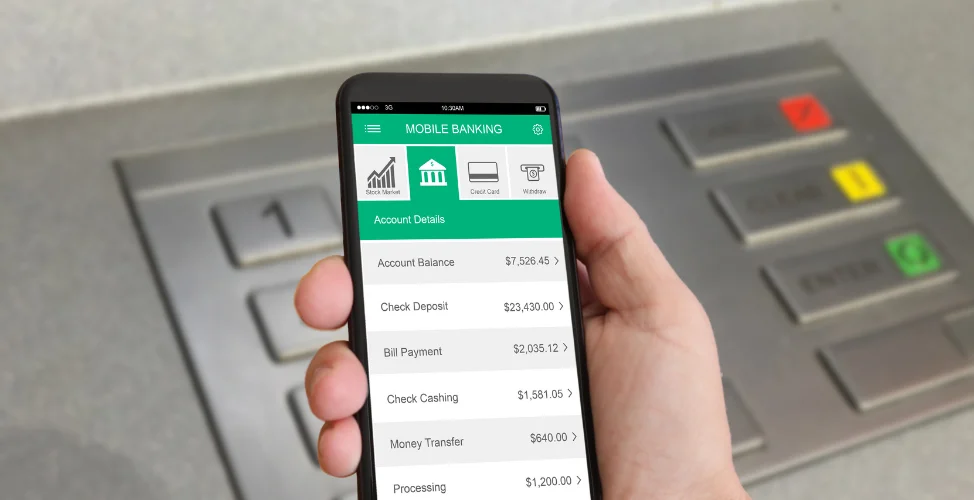
Digital banking delivers financial services entirely through online and mobile platforms, removing the need for physical branches. This model focuses on automation, user experience, and accessibility, enabling customers to control their finances anytime, anywhere.
Digital banking typically includes:
- Mobile-first experiences: Opening accounts, transferring funds, budgeting, and receiving real-time notifications through apps.
- Fully remote transactions: Loan applications, investment tools, bill payments, and identity verification completed online.
- Lower operating costs: No branches mean lower fees, higher interest rates, and faster service delivery.
- Integration with fintech ecosystems: E-wallets, crypto services, savings automation, and financial management tools.
Leading examples include Revolut, Chime, Monzo, and N26.
Watch more: Top 10 Digital Banking Apps Redefining Finance
The Shift from Physical to Digital Banking
The banking industry is experiencing a rapid transformation as customers gravitate toward faster, more convenient digital solutions. Advances in AI and Data Analytics, cloud computing, cybersecurity, and mobile technologies have paved the way for banks to reimagine the entire customer lifecycle, from onboarding to service delivery.
This shift is driven by key factors that highlight the growing contrast between digital banking vs traditional banking, including rising customer demand for convenience, the need for faster and more secure transactions, and the pressure on financial institutions to modernize outdated systems.
- Consumer behavior evolution: A majority of customers prefer mobile or online banking as their primary method of managing daily financial activities.
- Demand for instant services: Real-time transfers, instant approvals, and 24/7 self-service tools are now expected.
- Operational efficiency gains: Automation reduces costs, improves accuracy, and accelerates internal workflows.
- Fintech competition: Digital-first institutions push traditional banks to innovate faster.
- Cloud-based scalability: Banks can modernize legacy systems, launch new products, and scale securely using cloud technologies.
Studies from Chase and Synchrony reveal that over 70% of consumers now rely on mobile or online banking as their preferred method, signifying a clear global trend toward digital-first financial experiences.
Key Differences Between Digital Banking and Traditional Banking
1. Accessibility and Convenience
Digital banking delivers unmatched accessibility by offering 24/7 account access through mobile apps and online platforms. Customers can check balances, transfer funds, or make payments anytime, without needing to visit a physical location. This removes geographic limitations, making banking accessible for users in remote or underserved areas.
Traditional banking, however, depends heavily on physical branches and business operating hours. While this model provides structure and security, it limits customer flexibility. Tasks such as opening accounts, confirming identity, or conducting specialized transactions often require branch visits, which may be inconvenient for digitally oriented consumers.
2. Customer Experience and Service Model
Digital banks prioritize automation and self-service, allowing customers to complete most transactions instantly. Advanced AI chatbot development services enable intelligent virtual assistants that provide 24/7 customer support, answer inquiries, and guide users through routine banking tasks. Combined with smart notifications and intuitive mobile dashboards, these capabilities enhance the overall user experience. Many digital institutions also personalize interfaces and recommendations based on spending habits and financial behavior.
Traditional banks focus on relationship-driven customer service, where personal interactions play a central role. Customers can meet advisors in person, ask questions, or receive tailored financial planning. This model is especially beneficial for individuals seeking guidance on long-term or complex financial decisions such as investments, mortgages, or retirement strategies.
3. Cost and Fees
Digital banks typically operate with significantly lower overhead because they do not maintain physical branches. As a result, they can offer:
- Lower account maintenance fees
- Higher interest rates on savings accounts
- Reduced transaction and service charges
Traditional banks, by contrast, incur higher operational expenses, including staffing, real estate, and compliance costs. These expenses often translate into:
- Monthly maintenance fees
- ATM and withdrawal fees
- Minimum balance requirements
While traditional banks may be costlier, some customers consider the in-person services and brand reliability worth the additional expense.
4. Product and Service Innovation
Digital banks are known for rapid innovation, frequently releasing new tools and features that enhance financial management. Common digital-first innovations include:
- Built-in budgeting and financial wellness tools
- Real-time spending analytics
- Instant notifications and alerts
- Crypto trading or wallet integrations
- Automated savings and investment features
Traditional banks, however, maintain a broader and more established portfolio of financial products, such as mortgages, insurance, business loans, wealth management, and investment advisory. While innovation may be slower due to regulatory and legacy-system constraints, traditional banks offer comprehensive financial support backed by decades of operational experience.
5. Security and Trust
Digital banks rely on advanced technological safeguards, including:
- Encryption protocols
- Multi-factor authentication
- Biometric identification
- AI-based fraud detection systems
These modern security layers protect transactions and customer data, often surpassing traditional safeguards in terms of speed and automation.
Traditional banks, however, benefit from long-established regulatory frameworks, physical branch security, and customer trust built over generations. Many customers perceive traditional banking as more secure due to familiarity, government-backed insurance, and established reputations.
6. Speed and Efficiency
Digital banking excels in operational speed, offering:
- Instant account opening
- Automated loan approvals
- Real-time transfers
- Streamlined dispute resolution through AI
These efficiencies allow customers to complete transactions in minutes, not days.
Traditional banks often require paperwork, manual checks, and formal approval processes. Services such as loan approvals, credit checks, and account verification may take longer due to manual intervention and regulatory procedures. While slower, this approach provides thorough evaluation, which some customers may prefer for complex financial transactions.
7. Relationship Banking and Human Interaction
Traditional banks continue to attract customers who value human connection and personalized advice. Relationship managers help with financial planning, major investments, business financing, and other high-touch services. This human-centered approach builds trust, loyalty, and multi-generational relationships.
Digital banks, on the other hand, focus on data-driven personalization, offering tailored recommendations based on user behavior and spending patterns. While effective, these insights lack the emotional nuance and empathy of face-to-face consultations. As a result, digital banks are more appealing to tech-savvy users comfortable with fully remote interactions.
8. Technology and Infrastructure
Digital banks operate using modern, cloud-native architectures. This gives them:
- High scalability
- Faster deployment of new features
- Lower maintenance costs
- Enhanced disaster recovery capabilities
Their technology-first infrastructure supports continuous innovation and rapid growth.
Traditional banks often depend on long-standing legacy core systems that, while proven and reliable, can become major obstacles when comparing digital banking vs traditional banking. These older systems may slow innovation, restrict integration with emerging technologies, and require significant investment and planning to modernize. To bridge this gap, many institutions are adopting the top AI in banking for digital platforms to enhance legacy environments with intelligent automation, advanced analytics, and personalized customer experiences. Despite these modernization challenges, legacy systems remain secure, stable, and capable of supporting millions of transactions daily across global financial institutions.
Advantages of Digital Banking
- 24/7 Access and Global Reach: Customers can access accounts, transfer funds, and retrieve insights anytime, without visiting a branch.
- Lower Operational Costs and Fees: Without physical branches, digital banks reduce overhead, offering lower fees and competitive rates.
- Faster Transactions and Real-Time Insights: Instant transfers, automated approvals, and real-time notifications improve transparency and speed.
- Personalized and Data-Driven Experiences: AI-powered analytics deliver tailored recommendations and automated budgeting based on spending patterns.
- Integration with Fintech and Lifestyle Services: Digital banks integrate efficiently with e-wallets, payment systems, and financial management tools.
Advantages of Traditional Banking
- Personalized Customer Support: Human advisors offer deep financial guidance, especially for complex transactions.
- Strong Perception of Trust and Security: Physical branches and government-backed protections enhance consumer confidence.
- Comprehensive Financial Services: Traditional banks offer business loans, mortgages, investment portfolios, and full-service financial support.
- Assistance for Complex Transactions: Branches simplify procedures for wealth management, notarization, and large transactions.
- Long-Standing Brand Reputation: Decades of operation contribute to brand reliability, stability, and trustworthiness.
Challenges for Each Banking Model
Challenges for Digital Banking
While digital banking continues to grow rapidly, it also faces several unique challenges that highlight the ongoing debate of digital banking vs traditional banking, including issues related to security, user adoption, and maintaining customer trust in fully digital environments.
1. Building Trust with Older or Risk-Averse Customers
Many older customers or individuals who are less familiar with technology remain hesitant to transition to fully digital financial services. Their concerns often revolve around:
- Fear of fraud or online scams
- Limited familiarity with mobile apps or online tools
- Perceived lack of human support
- Discomfort with self-service platforms
To gain broader acceptance, digital banks must invest in customer education, simplified user interfaces, and hybrid service options that include human support channels.
2. Navigating Compliance Across Multiple Jurisdictions
Digital banks frequently operate across state, regional, or even international borders. This exposes them to a complex regulatory environment. Challenges include:
- Different licensing requirements in each jurisdiction
- Varying rules for data storage, financial reporting, and anti–money laundering (AML)
- Navigating cross-border restrictions on digital services
- Meeting evolving cyber security and consumer protection standards
Regulatory compliance becomes a significant operational burden as digital banks scale globally.
3. Addressing Cybersecurity and Data Privacy Risks
Because digital banks rely entirely on online platforms, they become frequent targets for cyberattacks. Key risks include:
- Phishing and credential theft
- Distributed denial-of-service (DDoS) attacks
- Unauthorized access to customer accounts
- Data breaches involving sensitive financial information
- System vulnerabilities due to rapid software deployment
Maintaining robust encryption, real-time fraud detection, and proactive incident response plans is vital to protecting customer assets and trust.
Challenges for Traditional Banking
While traditional banks remain pillars of financial stability, they face increasing operational and competitive challenges, especially as the landscape of digital banking vs traditional banking shifts toward faster, more convenient, and tech-driven financial experiences.
1. High Operational Costs Due to Physical Infrastructure
Traditional banks must maintain extensive branch networks, hire in-branch staff, and manage physical assets. These costs contribute to:
- Higher service fees
- Lower interest rates for savings accounts
- Slower rollout of new services due to budget constraints
This model is increasingly expensive to sustain, especially as customers shift towards digital services.
2. Slow Modernisation Due to Legacy Systems
Many traditional banks still operate on core legacy systems built decades ago. While stable, these systems pose challenges such as:
- Limited integration with modern fintech solutions
- Slow product development and innovation
- High modernization costs and long project timelines
- Increased risk of system downtime or inefficiency
Modernizing legacy infrastructure is essential but requires significant investment and strategic planning.
3. Difficulty Attracting Younger, Tech-Driven Customers
Younger generations expect frictionless, mobile-first experiences. Traditional banks may struggle to meet these expectations due to:
- Outdated digital interfaces
- Slower service delivery
- Limited personalization compared to digital-first competitors
- Perception of being less innovative
To remain competitive, traditional banks must refresh their digital strategy, invest in user experience, and adopt modern engagement channels such as mobile apps, chatbots, and personalized financial tools.
The Future: The Rise of Hybrid Banking Models
The future of financial services is moving toward hybrid banking models, where the strengths of traditional banking and digital banking converge to create a more balanced, customer-centric experience. Rather than choosing between digital convenience or human expertise, hybrid banking allows customers to benefit from both, making it the preferred model for banks aiming to stay competitive in an evolving landscape.
Hybrid banking integrates the best aspects of modern technology with traditional branch-based support. This evolution is a direct result of digital transformation in banking, which is reshaping how financial institutions deliver services across physical and digital channels. The shift is driven by changing customer expectations, as people increasingly demand seamless digital experiences without sacrificing the reassurance and personalized guidance offered by human advisors. As a result, financial institutions are redesigning their service models to provide flexibility, choice, and consistent experiences across every touchpoint.
How SmartOSC Helps Banks Bridge Traditional and Digital Banking
As the financial industry evolves, many banks face the challenge of modernizing their systems without compromising the trust, stability, and personalized service that define traditional banking. SmartOSC supports financial institutions through this transition by helping them integrate advanced digital capabilities while maintaining the strengths of their existing models. Through a balanced, strategic approach, SmartOSC enables banks to offer seamless, secure, and scalable digital experiences to their customers.
SmartOSC delivers a comprehensive suite of digital transformation capabilities tailored specifically for the banking sector. These solutions help banks accelerate innovation, enhance customer engagement, and simplify operations across digital and physical channels.
SmartOSC’s core areas of support include:
- AI-powered mobile banking applications and omnichannel platforms that elevate customer experience through intuitive design, secure onboarding, personalized dashboards, and real-time interactions.
- Integration of automation and real-time analytics to streamline internal processes, reduce manual workloads, and provide data-driven insights for both customers and internal teams.
- Personalization engines that tailor recommendations, financial insights, and customer journeys across channels, improving satisfaction and product adoption.
- Enterprise-grade cloud infrastructure solutions that increase scalability, support faster go-to-market, and provide a secure foundation for digital banking services.
- Strengthened cybersecurity and compliance frameworks, ensuring that modernized systems meet banking regulations and industry standards while maintaining customer trust.
- Strategic transformation roadmaps designed to modernize legacy systems, minimize migration risks, and harmonize digital initiatives with long-established banking operations.
These solutions provide banks with the digital agility they need to compete effectively with digital-native institutions, while also preserving the stability, reliability, and personal connection valued by traditional customers.
By combining advanced technology expertise with deep industry insight, SmartOSC helps financial institutions create hybrid models that bridge the gap between digital banking vs traditional banking, delivering digital efficiency while preserving the human reassurance customers still value. This balanced approach strengthens loyalty, enhances user trust, and positions banks for long-term success as the industry moves rapidly toward digital-first operations.
See more: How Digital Banking Trends Are Driving Innovation and Growth
FAQs: Digital Banking vs Traditional Banking
1. Who should choose digital banking over traditional banking?
Digital banking is ideal for customers who value convenience, speed, and 24/7 access to financial services through mobile and online platforms. It is particularly well suited for digitally savvy individuals, remote workers, frequent travelers, and small businesses that prefer self-service tools and real-time account management. Traditional banking may remain the better choice for customers who require in-person financial advice or frequently use branch-based services.
2. Can digital and traditional banking coexist?
Yes. Many financial institutions are adopting hybrid banking models that combine the convenience of digital channels with the personalized service of physical branches. This approach allows customers to perform everyday transactions online while still accessing expert financial advice, complex lending services, or wealth management support when needed, creating a more flexible and customer-centric banking experience.
3. How do customer experiences differ between digital and traditional banking?
Digital banking focuses on fast, self-service experiences with features such as instant payments, mobile account management, personalized recommendations, and AI-powered support. Traditional banking emphasizes face-to-face interactions and relationship-based services through branch networks. As customer expectations evolve, many banks are blending these approaches to provide seamless experiences across both digital and physical channels.
4. What factors should businesses consider when choosing between digital and traditional banking?
Businesses should evaluate transaction volume, international payment needs, lending requirements, integration with accounting systems, customer support expectations, and security capabilities. Organizations that require rapid digital payments and automation may benefit from digital banking, while those needing specialized financial services or complex commercial lending may prefer institutions with strong branch and advisory networks.
5. What does the future look like for digital and traditional banking?
The future of banking will likely be defined by hybrid operating models that combine digital innovation with personalized human expertise. Technologies such as artificial intelligence, cloud computing, open banking, and advanced analytics will continue to automate routine services, while branches evolve into advisory centers focused on higher-value customer interactions. This balanced approach enables financial institutions to meet diverse customer preferences while improving operational efficiency.
Conclusion
The comparison between digital banking vs traditional banking reveals two distinct yet complementary approaches to financial services. Traditional banks excel in trust, personalization, and comprehensive services, while digital banks deliver speed, convenience, and innovative experiences. SmartOSC empowers financial institutions to combine both strengths, leveraging digital agility while preserving human connection, to build future-ready banking models.
Transform your banking experience with SmartOSC. Contact us today to develop innovative, customer-focused digital banking solutions.
Related blogs
Learn something new today