February 25, 2026
Top 10 Data Analytics Software Used by Australian Enterprises
Data-driven decision-making has become essential for Australian enterprises across industries including finance, retail, mining, healthcare, telecommunications, and government. As organizations generate massive volumes of structured and unstructured data, the ability to convert that data into actionable insights is now a competitive necessity rather than a technical advantage.
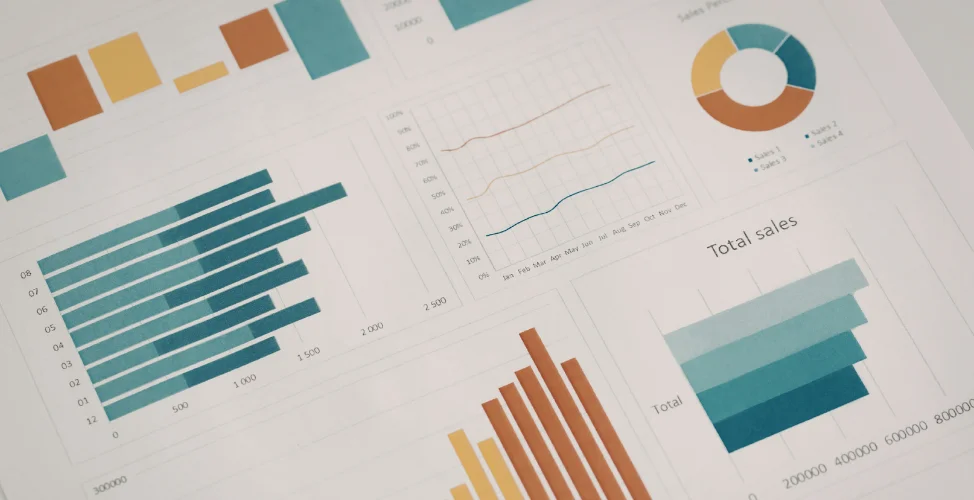
Modern data analytics software enables enterprises to process, visualize, and analyze data at scale. From executive dashboards to predictive analytics and AI-powered automation, analytics platforms play a central role in digital transformation strategies.
This article highlights the top data analytics software platforms widely used by Australian enterprises and explains how to choose the right solution for long-term success.
Highlights
- Data analytics software supports reporting, advanced analytics, and real-time decision-making.
- Australian enterprises use a mix of BI, operational analytics, and AI-enabled platforms.
- Selecting the right software depends on data complexity, scale, regulatory requirements, and business objectives.
What Is Data Analytics Software?
Data analytics software refers to platforms that collect, process, analyze, and visualize data to support enterprise decision-making. These solutions transform raw datasets into insights that guide strategy, optimize operations, and improve customer experiences.
It is important to distinguish between different categories:
- BI tools focus primarily on dashboards, reporting, and descriptive analytics.
- Advanced analytics platforms support predictive modeling, machine learning, and statistical analysis.
- Operational analytics solutions provide real-time monitoring and automated decision support within enterprise systems.
In modern data architectures, analytics software integrates with cloud platforms, data warehouses, ERP systems, CRM tools, and AI frameworks. It acts as the intelligence layer that enables organizations to move from reactive reporting to proactive, data-driven strategy execution.
This shift is increasingly important, as organizations that leverage data effectively significantly outperform competitors. Research shows that data-driven companies are 23 times more likely to acquire customers and 19 times more likely to be profitable compared to their peers.
By embedding analytics software as a core intelligence layer within enterprise architecture, Australian organizations can capture measurable performance and competitive advantages.
Why Data Analytics Software Matters for Australian Enterprises
As Australia’s economy becomes increasingly digital, enterprises are generating unprecedented volumes of data from customer interactions, supply chains, connected devices, and cloud-based platforms. Managing this complexity requires more than spreadsheets or basic reporting tools. Modern data analytics software provides the scalability, automation, and intelligence necessary to convert raw information into actionable business insights.
Australian enterprises face growing data complexity across sectors such as finance, retail, mining, healthcare, and public services. Several structural and strategic factors are accelerating analytics software adoption:
- Increasing data volumes from digital platforms, IoT systems, and cloud environments: Connected devices, mobile application development, and enterprise systems continuously generate high-velocity data streams that must be processed and analyzed in near real time.
- Demand for faster insights and predictive capabilities: Executive teams require timely dashboards, forecasting models, and scenario analysis to make informed strategic decisions in competitive markets.
- Regulatory, governance, and data security considerations: Australian organizations must align with data protection regulations and industry-specific compliance frameworks, making secure and well-governed analytics platforms essential.
- The need to support AI, automation, and digital transformation initiatives: Advanced analytics platforms serve as the foundation for machine learning, automation, and intelligent process optimization.
Without modern analytics platforms, organizations struggle to maintain visibility, compliance, and operational efficiency. Fragmented systems and inconsistent reporting can delay decision-making and increase risk exposure. By investing in scalable and secure data analytics software, Australian enterprises position themselves to harness data as a strategic asset, driving innovation, resilience, and long-term competitive advantage.
Key Features Enterprises Look for in Data Analytics Software
Selecting the right data analytics software is a strategic decision for Australian enterprises. Beyond attractive dashboards or technical specifications, organizations must ensure that the platform aligns with long-term business goals, regulatory requirements, and future AI expansion plans. As data ecosystems grow more complex, enterprises require solutions that are both scalable and secure.
When evaluating data analytics software, Australian enterprises typically prioritize the following capabilities:
- Data integration and connectivity with ERP, CRM, data warehouses, APIs, and third-party systems.
- Scalable analytics performance for handling large and growing datasets.
- Advanced visualization and self-service reporting capabilities for business users.
- Support for machine learning and predictive analytics.
- Security, governance, and compliance features aligned with Australian regulations.
- Flexible deployment options including cloud, hybrid, and on-premise environments.
These features ensure analytics platforms can evolve alongside enterprise growth and digital maturity. By prioritizing integration, scalability, governance, and AI readiness, Australian organizations can build future-proof analytics ecosystems that support long-term innovation and strategic decision-making.
Watch more: Top 10 Analytical Tools for Data Analysis Used by Australian Businesses
Top 10 Data Analytics Software Used by Australian Enterprises
1. Microsoft Power BI
Microsoft Power BI is one of the most widely adopted enterprise reporting and dashboarding platforms in Australia, particularly among organizations operating within the Microsoft ecosystem. Its deep integration with Microsoft Azure, Dynamics 365, Excel, and Office 365 enables seamless connectivity across enterprise environments. This integration allows businesses to consolidate financial, operational, and customer data into unified dashboards with minimal friction.
Power BI provides interactive visualizations, real-time reporting, AI-assisted insights, and scalable cloud deployment options. Its user-friendly interface empowers business users to build reports independently, while IT teams maintain governance and security controls. The platform’s flexibility supports both small teams and large enterprise environments, making it suitable for organizations at various stages of analytics maturity.
Best for: Enterprises heavily invested in the Microsoft ecosystem seeking scalable BI and AI-enabled reporting.
2. Tableau
Tableau is recognized globally for its advanced data visualization and interactive analytics capabilities. Australian enterprises use Tableau to explore complex datasets and present insights in visually compelling and intuitive formats. Its drag-and-drop functionality allows users to create dashboards without extensive coding, improving accessibility across departments.
In addition to strong visualization capabilities, Tableau supports robust data integration and governance controls. Organizations can connect to cloud platforms, on-premise databases, and third-party systems while maintaining centralized oversight. Tableau’s flexibility and analytical depth make it a strong choice for enterprises prioritizing data exploration and storytelling.
Best for: Organizations focused on advanced visualization and self-service analytics across business units.
3. Splunk
Splunk specializes in real-time operational and machine data analytics, making it particularly valuable in IT operations, cybersecurity, and observability environments. Australian enterprises leverage Splunk to monitor system logs, network traffic, and application performance in real time, enhancing operational resilience.
The platform’s ability to detect anomalies and automate alerting helps organizations respond quickly to security incidents and system disruptions. With scalable architecture and strong integration capabilities, Splunk supports complex enterprise environments where uptime and security are critical priorities.
Best for: IT, cybersecurity, and operational analytics in complex enterprise environments.
4. Qlik Sense
Qlik Sense offers associative analytics that allow users to dynamically explore relationships across datasets. Unlike traditional query-based tools, its in-memory engine enables interactive exploration without predefined hierarchies, making data discovery more flexible and intuitive.
Australian enterprises value Qlik Sense for its self-service analytics approach and flexible deployment options, including cloud, hybrid, and on-premise environments. Strong integration capabilities ensure compatibility with diverse data sources, enabling cross-functional visibility and agile decision-making.
Best for: Enterprises seeking flexible, associative data exploration and scalable self-service analytics.
5. SAP Analytics Cloud
SAP Analytics Cloud provides a unified platform combining reporting, financial planning, and predictive analytics within SAP-centric enterprise environments. Its seamless integration with SAP ERP and other SAP enterprise applications ensures consistent data flows across operational and financial systems.
The platform supports advanced analytics use cases, including scenario planning and forecasting. For organizations operating heavily within SAP ecosystems, it reduces integration complexity while delivering enterprise-grade governance and compliance capabilities.
Best for: SAP-centric enterprises requiring integrated reporting, planning, and predictive analytics.
6. Oracle Analytics Cloud
Oracle Analytics Cloud is designed for large-scale enterprise analytics environments and integrates closely with Oracle databases and applications. It offers advanced data visualization, augmented analytics, and machine learning capabilities to support complex analytical workloads.
Australian enterprises operating within Oracle infrastructures benefit from streamlined integration, strong governance controls, and scalable cloud deployment. The platform supports high data volumes and enterprise-grade security, making it suitable for data-intensive industries.
Best for: Large enterprises leveraging Oracle databases and enterprise applications.
7. Google Looker
Google Looker is a cloud-native analytics platform built for modern data stacks. It allows organizations to define governed metrics and embed analytics directly into applications and workflows. This makes it particularly useful for digital-first enterprises and SaaS platforms.
Enterprises using Google Cloud infrastructure benefit from seamless integration and scalability. Looker’s modeling layer ensures consistent metric definitions across teams, reducing discrepancies in reporting and strengthening data governance.
Best for: Cloud-native enterprises and organizations using Google Cloud seeking embedded analytics.
8. SAS Analytics
SAS Analytics is known for its advanced statistical modeling and data science capabilities. It has a strong reputation in regulated industries such as banking, insurance, and government, where compliance and risk management are critical.
The platform supports predictive modeling, risk analytics, fraud detection, and scenario simulation. Its robustness and analytical depth make it suitable for organizations requiring high-precision modeling and regulatory alignment.
Best for: Regulated industries needing advanced statistical modeling and risk analytics.
9. IBM Cognos Analytics
IBM Cognos Analytics delivers enterprise-grade reporting and AI-assisted insights with a strong emphasis on governance and security. It enables centralized reporting while providing business users with interactive analytics tools.
Large organizations use Cognos to standardize metrics, ensure compliance, and maintain reporting consistency across departments. Its scalability and integration capabilities make it suitable for complex enterprise environments with strict governance requirements.
Best for: Enterprises prioritizing centralized governance and standardized reporting frameworks.
10. GoodData
GoodData is a cloud-native analytics platform designed for embedded BI and scalable analytics solutions. It is commonly adopted by digital platforms, SaaS providers, and enterprises seeking to integrate analytics into customer-facing products.
Its flexible architecture allows seamless embedding of dashboards and reporting features into applications. This capability enhances user experience while maintaining centralized data governance and scalability.
Best for: Digital platforms and SaaS providers seeking embedded and scalable analytics solutions.
How Australian Enterprises Use Data Analytics Software
Across Australia, enterprises are embedding data analytics software into daily operations to enhance visibility, agility, and competitiveness. Rather than limiting analytics to periodic reports, organizations are integrating real-time insights into executive decision-making, operational workflows, and customer engagement strategies. This shift enables businesses to respond faster to market changes and regulatory demands.
Data analytics software supports multiple enterprise use cases, including:
- Executive dashboards and performance reporting: Leadership teams rely on centralized dashboards to track KPIs, financial metrics, and operational performance in real time. This improves transparency and aligns departments around shared business objectives.
- Operational and real-time analytics: Enterprises monitor supply chains, production systems, IT infrastructure, and service performance continuously. Real-time analytics help detect inefficiencies, bottlenecks, and anomalies before they escalate into major disruptions.
- Customer insights and personalization: Retailers, banks, and service providers analyze behavioral data to tailor product recommendations, optimize pricing, and enhance customer experiences across digital channels.
- Risk management and compliance monitoring: In regulated sectors such as finance and healthcare, analytics platforms track compliance metrics, detect fraud patterns, and ensure adherence to governance frameworks.
- Forecasting and long-term strategic planning: Predictive models support demand forecasting, capacity planning, and scenario analysis. This enables enterprises to allocate resources more effectively and anticipate future risks or opportunities.
These applications strengthen decision-making and operational agility across industries. By embedding analytics into enterprise ecosystems, often supported by specialized AI consulting services, Australian organizations transform data into a strategic asset, driving efficiency, resilience, and long-term competitive advantage in an increasingly digital economy.
Challenges When Implementing Data Analytics Software
While data analytics software delivers significant strategic value, implementation is rarely straightforward. Australian enterprises often operate in complex IT environments with legacy systems, siloed departments, and strict regulatory requirements. Without careful planning and stakeholder alignment, analytics initiatives can face delays, budget overruns, or limited adoption.
Despite its benefits, implementation can present several key challenges:
- Data quality and integration complexity: Inconsistent data formats, duplicate records, and fragmented systems make integration difficult. Poor data quality can undermine trust in analytics outputs and reduce decision-making confidence.
- User adoption and analytics literacy gaps: Even the most advanced platform cannot deliver value if business users lack the skills or training to interpret insights. Organizations must invest in upskilling and change management to ensure widespread adoption.
- Scaling analytics across multiple departments: Initial success within one business unit does not guarantee enterprise-wide scalability. Expanding analytics initiatives requires standardized governance, shared data models, and cross-functional collaboration.
- Governance and security concerns: Enterprises must maintain compliance with Australian data protection regulations and industry standards. Access controls, audit trails, and secure architecture are essential to protect sensitive information.
A structured implementation strategy, supported by strong governance frameworks, stakeholder engagement, and phased deployment, helps mitigate these risks. By addressing technical, organizational, and regulatory challenges proactively, Australian enterprises can maximize the long-term value of their data analytics software investments and build sustainable, insight-driven ecosystems.
How to Choose the Right Data Analytics Software in Australia
Choosing the right data analytics software is a critical decision that can influence an enterprise’s long-term digital transformation success. With numerous platforms offering overlapping capabilities, Australian organizations must look beyond feature lists and marketing claims. The evaluation process should focus on strategic alignment, scalability, governance readiness, and future AI ambitions.
Selecting the right platform requires clear alignment between technology and business strategy, particularly in environments where business and data analytics initiatives must directly support measurable commercial outcomes. Enterprises should consider the following factors:
- Align software capabilities with strategic objectives: The platform should directly support key business goals such as revenue growth, operational efficiency, compliance management, or customer experience improvement.
- Consider data volume, velocity, and variety: Organizations must assess whether the solution can handle structured and unstructured data at scale, particularly in data-intensive industries like mining, finance, and telecommunications.
- Evaluate deployment models and scalability requirements: Whether cloud, hybrid, or on-premise, the chosen platform should align with existing IT infrastructure and allow for future expansion without major reconfiguration.
- Assess vendor support and ecosystem maturity: A strong partner ecosystem, training resources, and ongoing vendor support are essential for long-term success and platform optimization.
- Plan for governance, security, and compliance from the outset: Built-in data lineage, access controls, encryption, and audit capabilities are critical for meeting Australian regulatory and privacy standards.
Careful evaluation ensures sustainable analytics maturity. By selecting software that balances flexibility, governance, scalability, and AI readiness, Australian enterprises can build a future-proof analytics foundation that supports innovation, resilience, and competitive advantage in an evolving digital economy.
See more: Data & Analytics Consultant Services in Australia: What Enterprises Should Know
Why SmartOSC Supports Enterprise Analytics Software Implementation
SmartOSC supports Australian enterprises in designing and implementing enterprise analytics platforms. With expertise in analytics architecture, platform selection, and AI enablement, SmartOSC delivers:
- Analytics strategy and roadmap development.
- Cloud and hybrid data architecture implementation.
- BI and advanced analytics platform deployment.
- Governance and security alignment.
- Ongoing optimization and performance management.
By combining strategic advisory with technical execution, SmartOSC ensures scalable, secure, and future-ready analytics ecosystems. Through its integrated AI and Data Analytics capabilities, SmartOSC helps enterprises modernize data platforms, enable advanced analytics, and deploy intelligent solutions that align with business strategy, compliance requirements, and long-term digital transformation goals.
FAQs: Data Analytics Software for Australian Enterprises
1. What is the difference between BI tools and data analytics software?
BI tools focus on reporting and visualization, while broader data analytics software includes predictive modeling, AI integration, and real-time operational analytics.
2. Which industries in Australia use data analytics software the most?
Finance, mining, retail, healthcare, telecommunications, and government agencies rely heavily on analytics platforms due to data complexity and regulatory requirements.
3. Is cloud-based data analytics software secure?
Yes, when properly configured with encryption, governance controls, and compliance frameworks aligned with Australian data regulations.
4. How long does analytics software implementation take?
Timelines vary depending on scope and complexity, ranging from several weeks for focused BI rollouts to multi-phase enterprise transformations.
5. How can SmartOSC help with analytics software selection and rollout?
SmartOSC provides consulting, architecture design, platform implementation, integration, and governance support to ensure successful analytics adoption.
Conclusion
Data analytics software is a critical enabler of enterprise digital transformation in Australia. As data complexity grows, selecting the right platform becomes essential for scalability, governance, and competitive advantage.
By combining the right software with a structured implementation strategy and experienced partner, Australian enterprises can unlock long-term value from analytics investments. SmartOSC helps organizations design, deploy, and scale analytics solutions that drive measurable business impact. Contact us now!
Related blogs
Learn something new today